A Family History: From Derbyshire to the Pacific

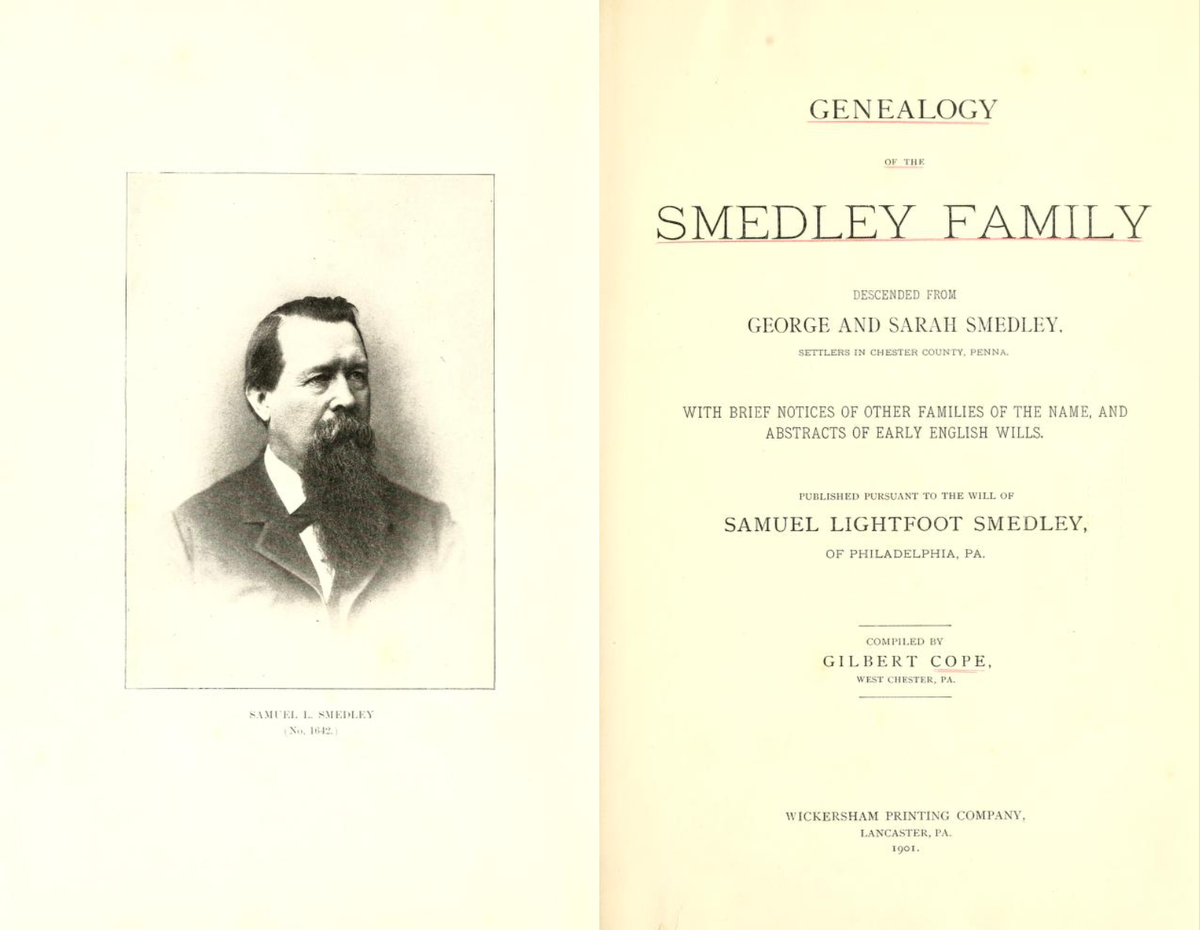
My brother recently shared a link to a 1,208-page history of my grandmother's family. I asked my favorite AI assistant, Claude, to help me dig through it, looking for references that tie directly to her. Here's what we found.
Genealogy of the Smedley Family was compiled by historian Gilbert Cope and published in 1901. It is essentially a migration map — starting in an English village in 1559 and spreading, four centuries later, across the globe.
Derbyshire, England — 1559
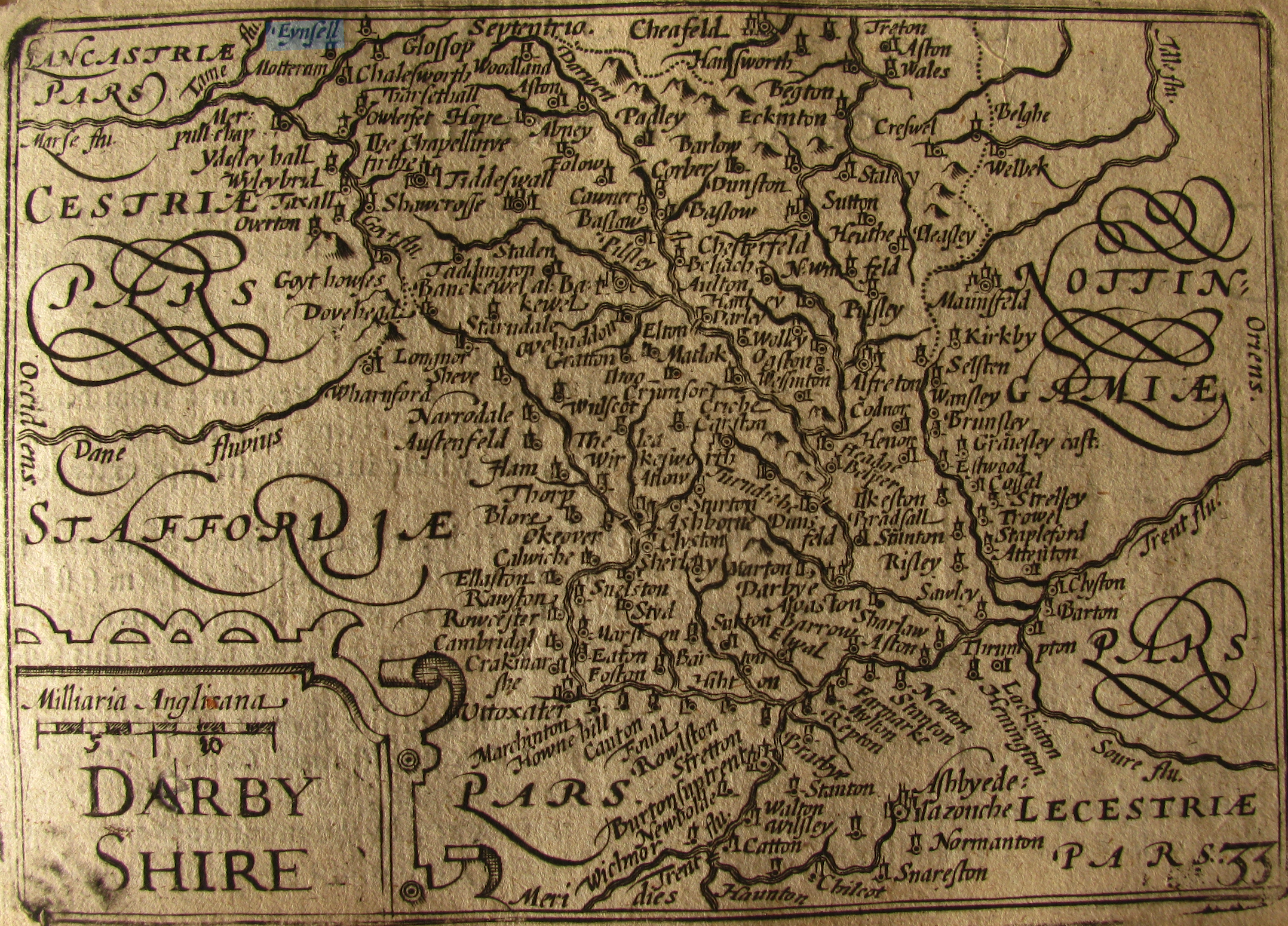
The earliest traces of the Smedley name appear in wills and parish records from a cluster of East Midlands villages in Derbyshire, England — Elvaston, Spondon, Ambaston, Youlgreave. They were farmers and weavers mostly, in the same few square miles for over a century. Cope suspected the American Smedleys descended from this line but couldn't confirm it definitively.
Interestingly, a search for the name in Derbyshire today turns up John Smedley Ltd., one of the oldest clothing manufacturers in the world, producing fine knitwear since 1784.
Chester County, Pennsylvania — 1701
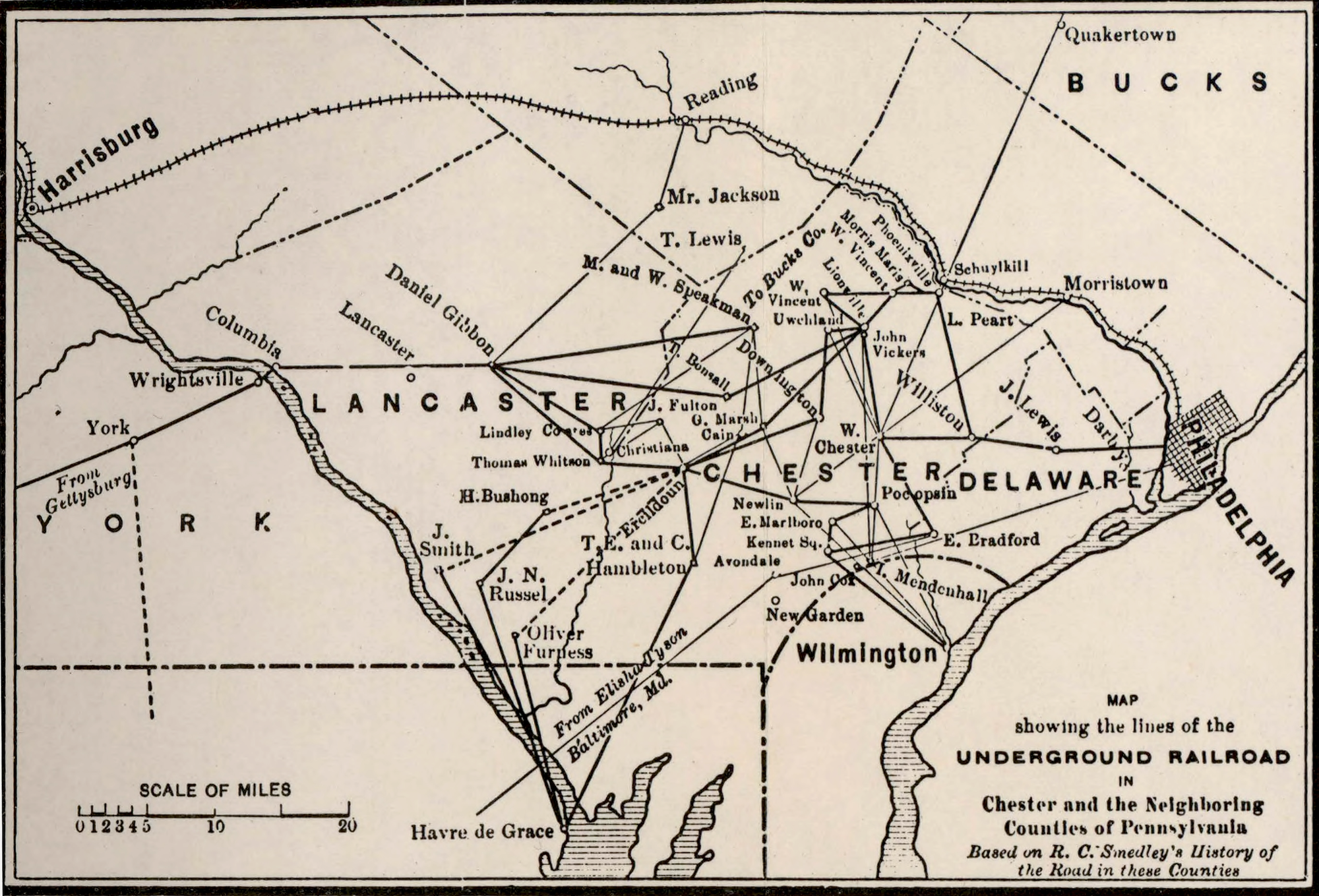
In 1701, a Quaker named George Smedley — recently arrived from Derbyshire — received a 295-acre land patent in Willistown Township, Chester County, from William Penn's commissioners. Every American Smedley in the book descended from there. The family stayed close for the next 170 years: farmers, carpenters, overseers of Quaker meetings.
The Vickers family, who would eventually marry into the Smedleys, were also Chester County Quakers — and considerably more famous in the historical record. Thomas Vickers and his son John were founding members of the Pennsylvania Abolition Society, the first anti-slavery society in America, established in Philadelphia in 1777 with Benjamin Franklin as its first president.
They were also principal agents on the Underground Railroad's Northern Route through Chester County. Freedom seekers were hidden in the crawl space of John's Lionville farmhouse, in the woodpiles, and inside the kilns and pottery wagons of Vickers Pottery — a four-generation family business that produced redware and sgraffito ceramics from the late 1700s through the 1880s. John often signed his letters of introduction to the next station on the railroad as "thy friend Pot."
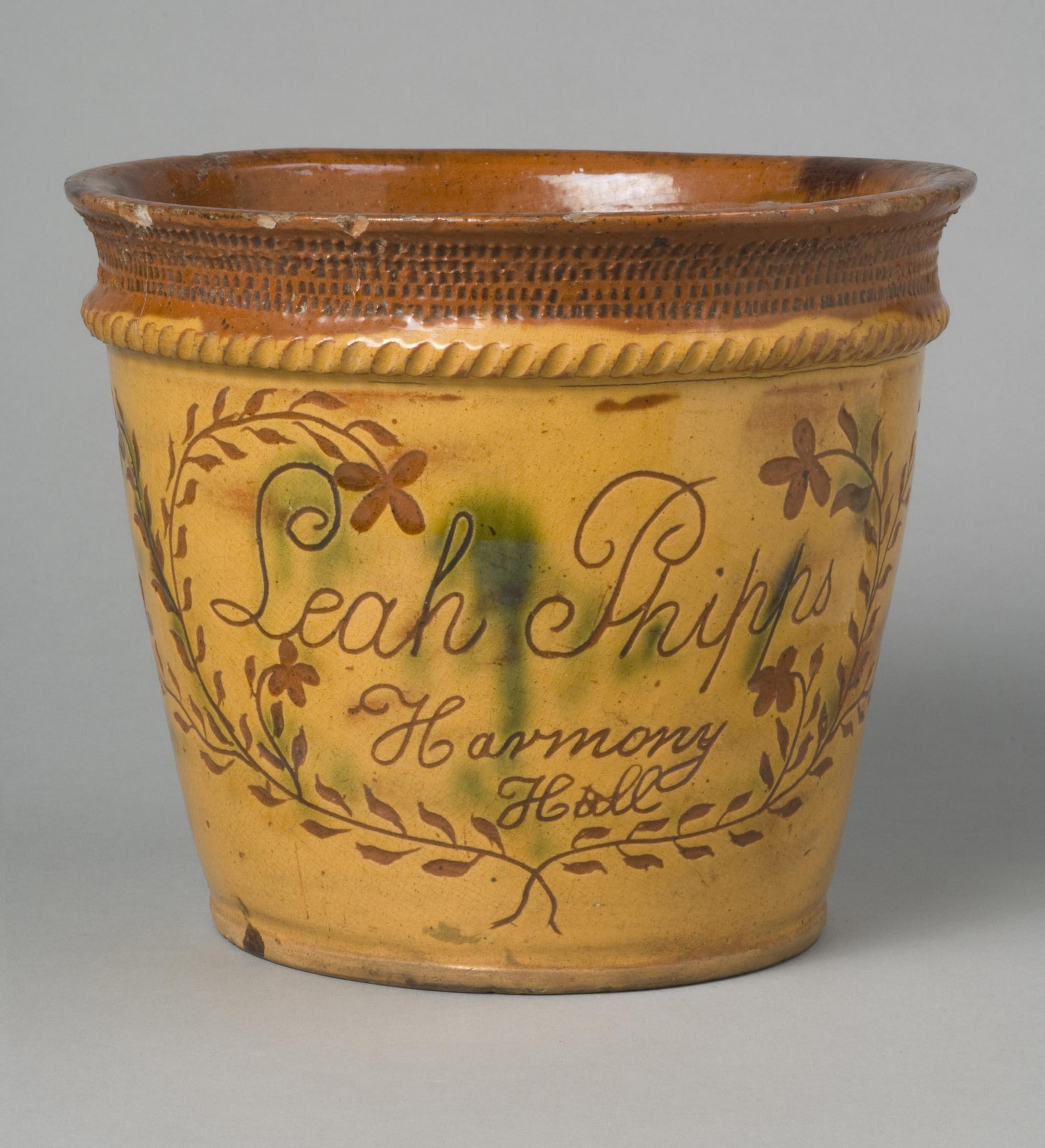
The pottery itself was no small operation. Pieces from Vickers are now held in the collections of the Philadelphia Museum of Art, the New York Historical Society, and Winterthur, and are considered among the finest American redware ever produced.
It was Paxson Vickers — John's son, and the third generation to run the pottery — whose daughter Mary Ellen carried the family west.
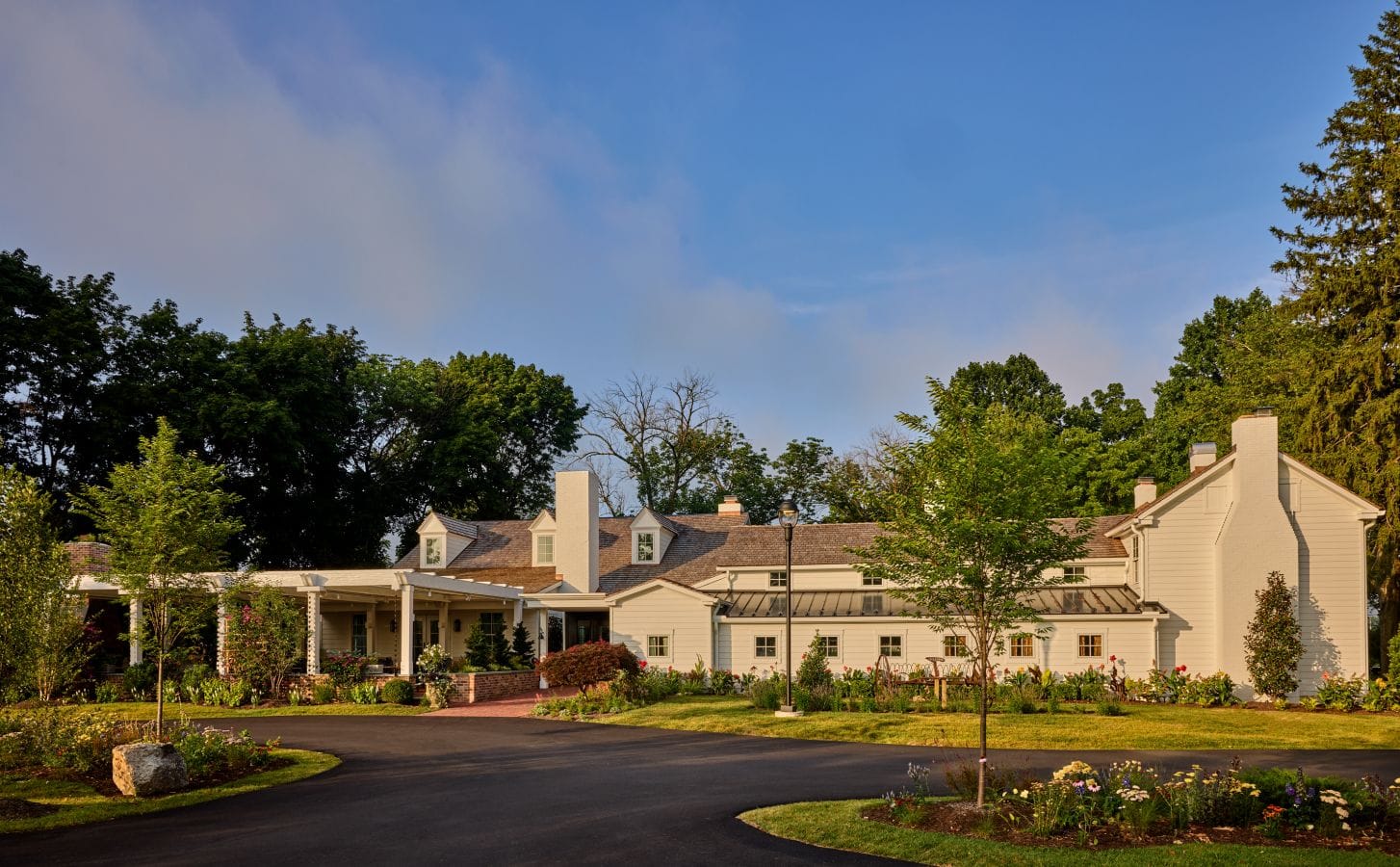
The farmhouse where all of this happened still stands in Lionville. It operated for decades as Vickers Restaurant before reopening in 2024 as a location of the White Dog Cafe.
Omaha to Oregon — 1862
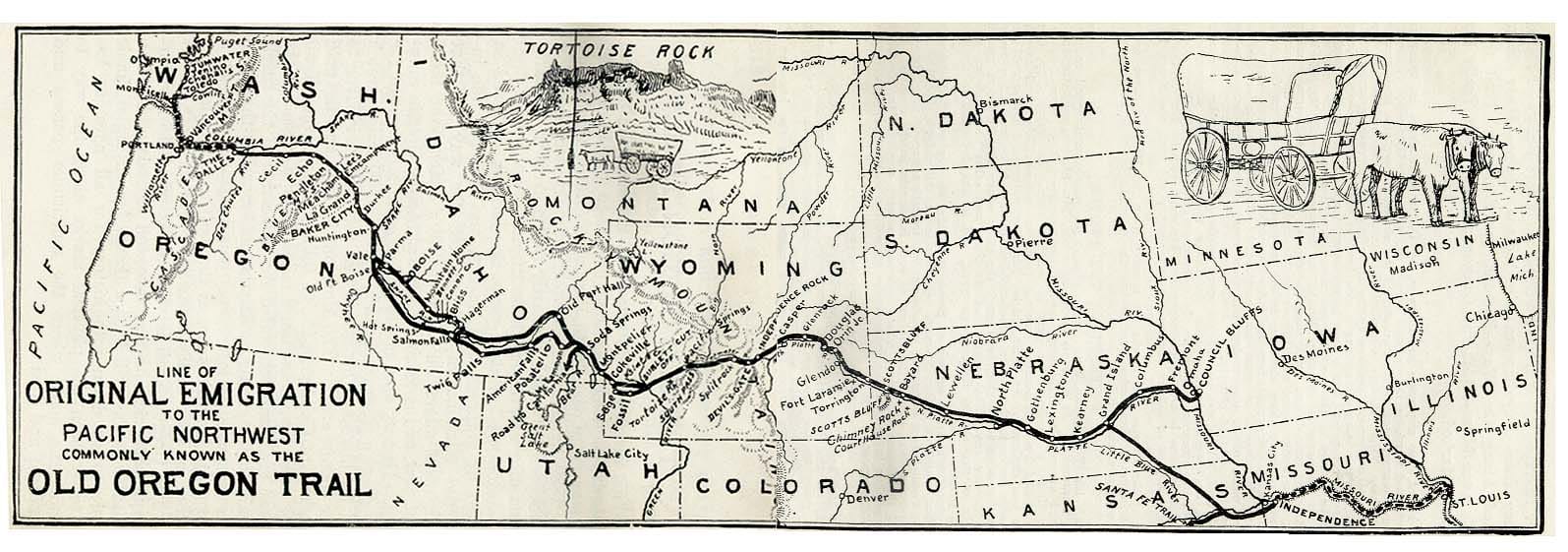
William Smedley was born in Willistown, Chester County, in 1836. As a young man, his health was poor, and in the spring of 1862, at age 26, he climbed into a prairie schooner at Omaha and headed for Oregon. He kept a journal of the journey.
After a year in the far west, he turned around, went back to Pennsylvania, and enrolled in dental school. His daughter Annie later helped him compile the diary into a book, Across the Plains: An 1862 Journey from Omaha to Oregon, originally published in 1916.
Denver, Colorado — 1870
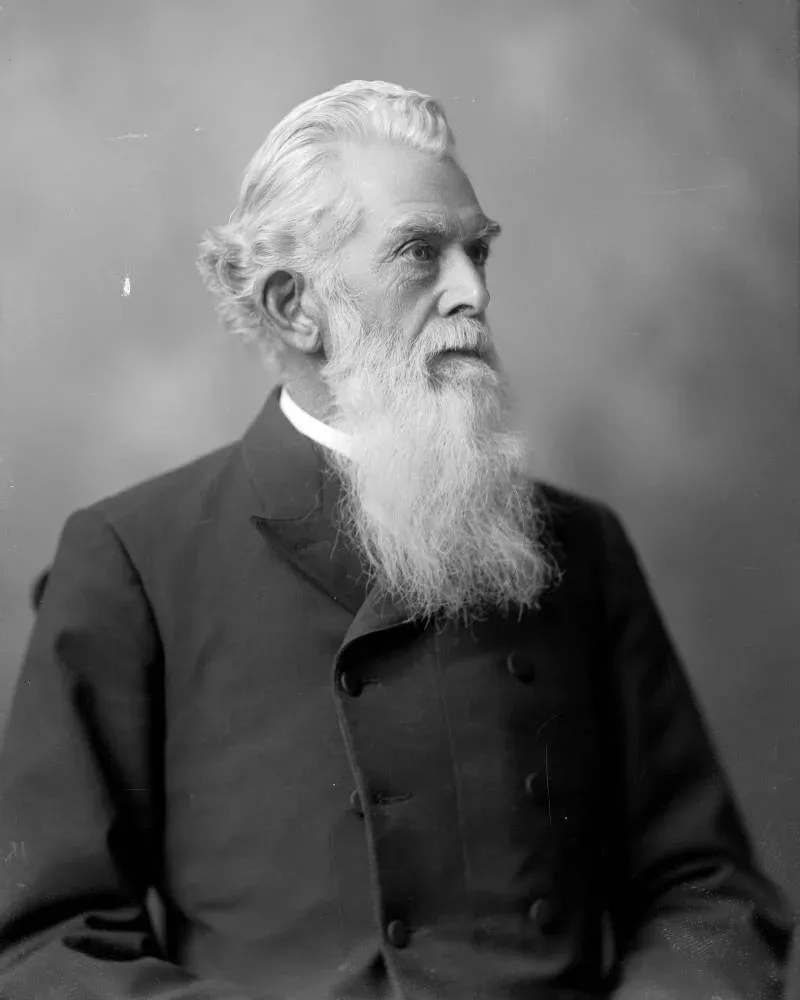
William graduated from the Pennsylvania College of Dental Surgery in 1866, practiced briefly in West Chester, and arrived in Denver on September 25, 1870 — one of the city's first dentists. The following year he performed a tooth extraction using nitrous oxide, the first such use in Colorado and one of the earliest in the country.
In 1872, William returned to Chester County to marry Mary Ellen Vickers — the Underground Railroad family, the potters — and brought her back to Denver. They built their first home at 1020 Ninth Street in the Auraria district. That house still stands, absorbed into the university campus there.
William went on to found and serve as the first president of both the Denver Dental Association and the Colorado State Dental Association. Two of his sons and a son-in-law eventually joined him in practice as William Smedley & Sons. He served 17 years on the North Denver school board, climbed most of Colorado's fourteeners, and was an early member of the Denver Chamber of Commerce and the Colorado Mountain Club. Smedley Elementary School in North Denver, built in 1903, is named after him. He died in 1926 at age 89.
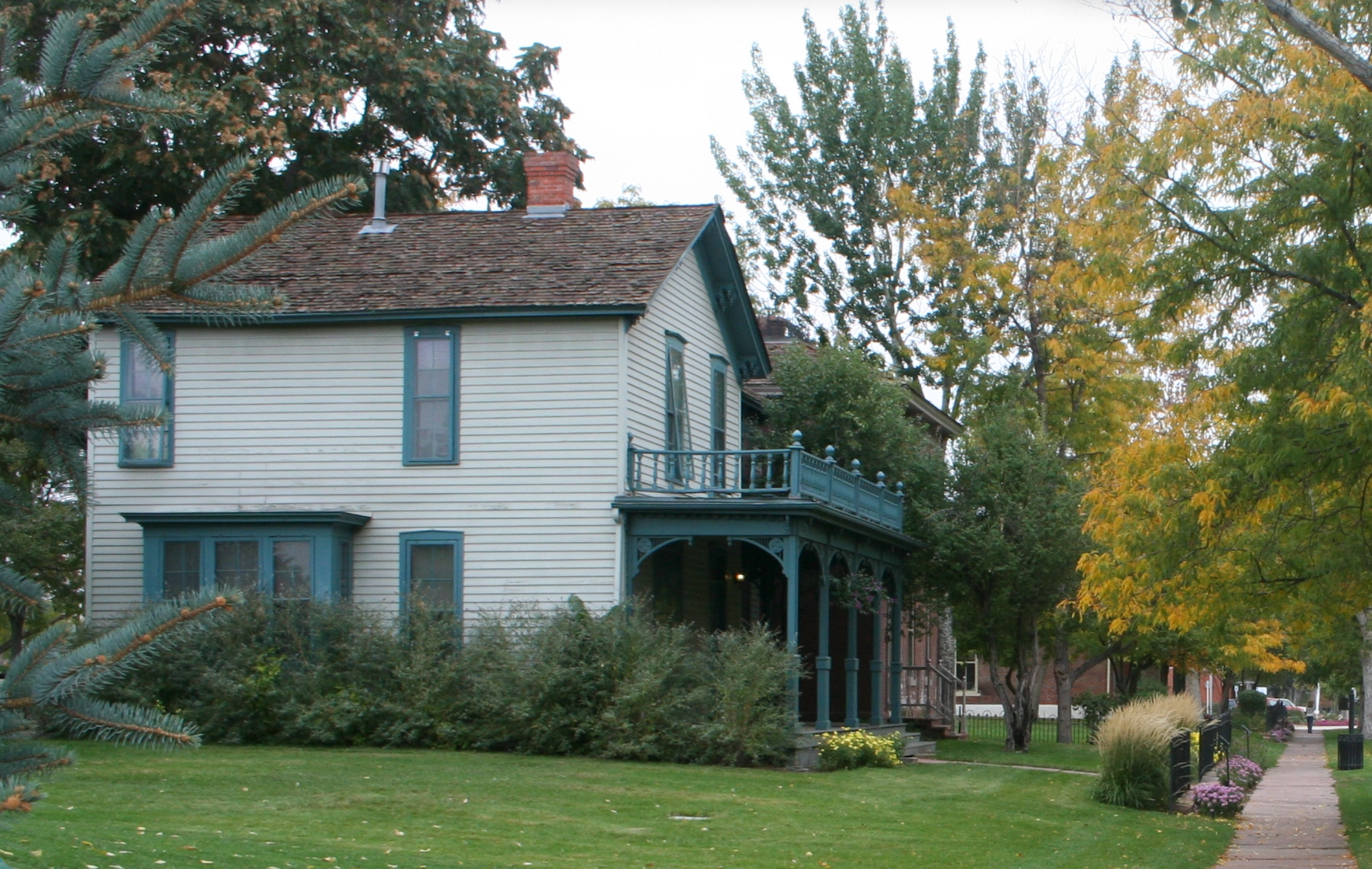
The house William built at 1020 Ninth Street outlasted him by nearly a century and then some. In 1934, a Mexican family from Chihuahua bought it and turned it into the Casa Mayan, one of Denver's most beloved restaurants, which hosted President Truman, Joan Baez, and Andres Segovia before closing in 1973 when the neighborhood was razed for a college campus. Saved when Ninth Street was declared a historic landmark, it still stands today — painted in its original green and white — as a campus office.
William Paxson, one of William and Mary Ellen's sons, followed his father into dentistry and stayed in Denver. One of his six children, Ellen Vickers Smedley (my grandmother), was born there in 1914.
Southern California — 1901
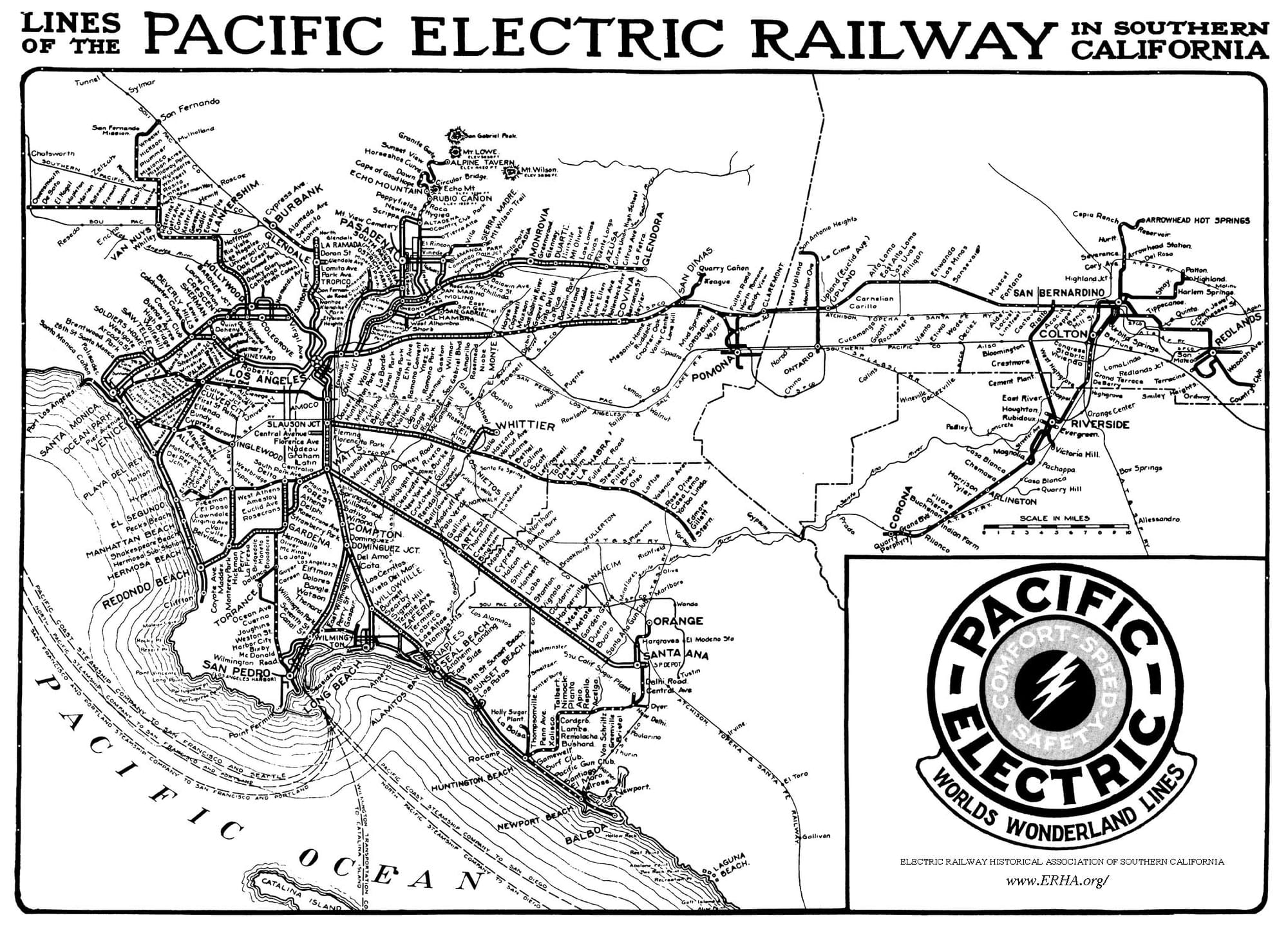
While William built his dental dynasty in Denver, his brother-in-law John Van (J.V.) Vickers was carving out a different kind of western legacy. He had left Pennsylvania for Arizona in 1880, built one of the largest cattle operations in the Southwest, then moved to Los Angeles in 1899.
His first major California venture was on the coast. Vickers helped develop a stretch of Orange County coastline then called Pacific City, persuading railroad magnate Henry Huntington to extend his Red Car streetcar line to the area, in part by naming the city after him. The line arrived in August 1904.
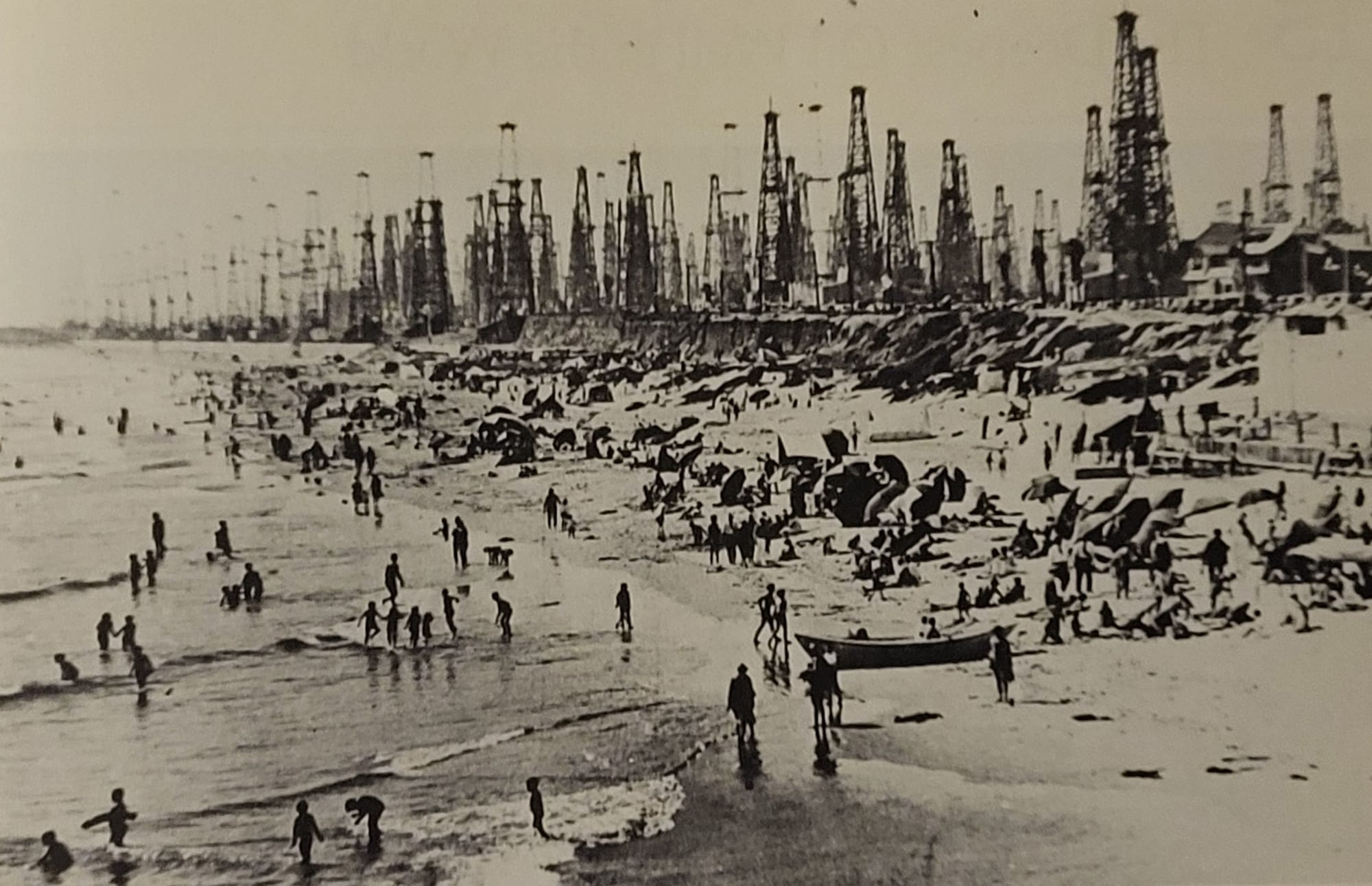
Originally envisioned as a real estate scheme, that all changed when, sixteen years later, they struck oil. The Huntington Beach Oil Company was born, with a field that has since produced over a billion barrels and was eventually absorbed into Chevron.
Then came the island. In 1901, Vickers and a partner named Walter Vail purchased Santa Rosa Island, a 54,000-acre island 26 miles off the coast of Santa Barbara, and turned it into a cattle ranch. At its peak, Vail & Vickers ran 7,000 head.
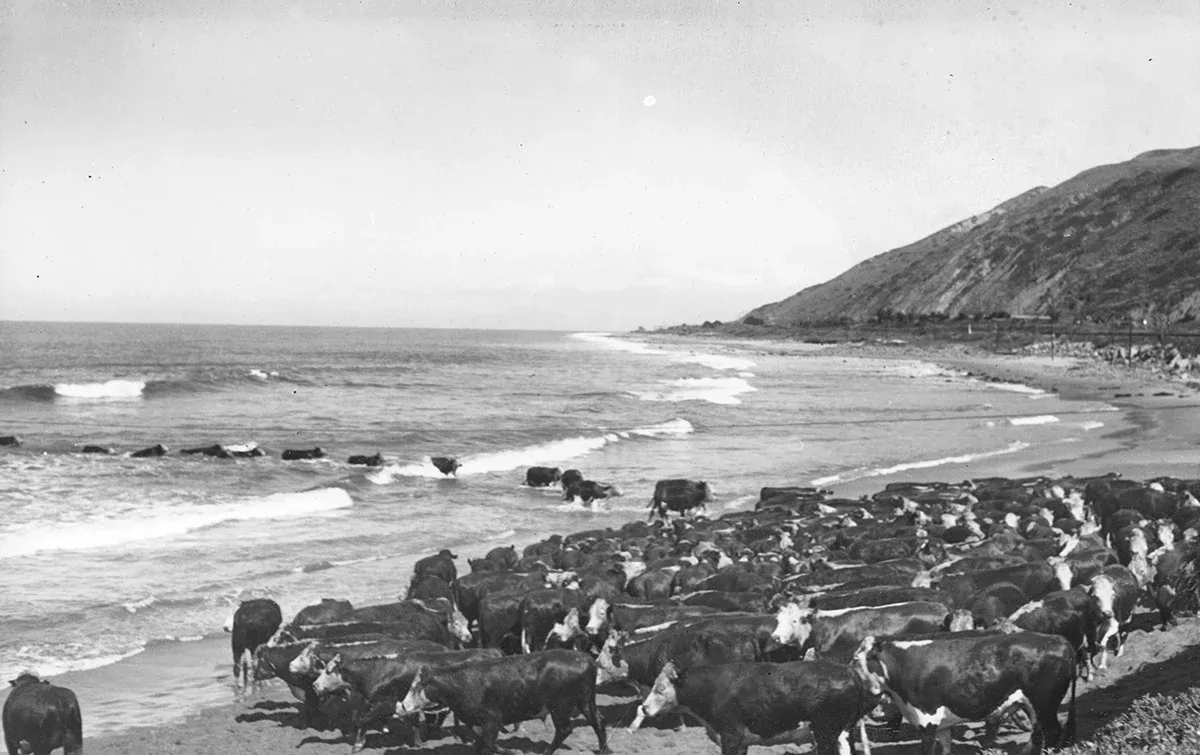
J.V. died in 1912, but his wife Anna and their five daughters carried on. The ranch passed through four generations before the National Park Service took it over in 1986. It's now part of Channel Islands National Park.
His daughter Anna (known in the family as Cousin Nan) remained in Los Angeles. When cousin Ellen Smedley enrolled at Scripps College in Claremont in 1932, she stayed with Nan during school breaks rather than making the expensive train trip back to Denver in the depths of the Depression.
Estes Park, Colorado — 1900 to today
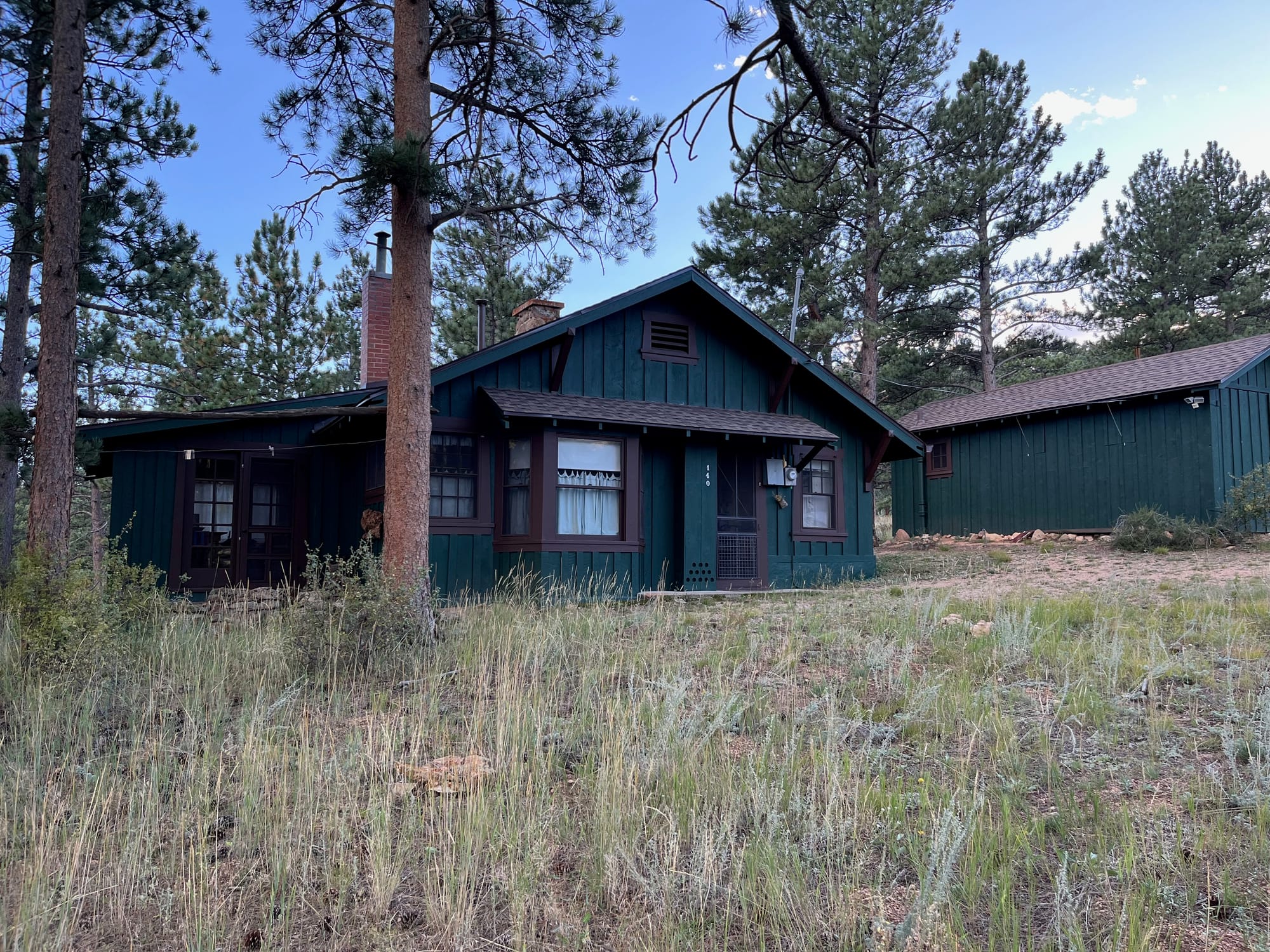
At the turn of the last century, William expanded his Denver dental practice with a small office in Estes Park to serve the miners in the area. At the time, the town was still finding itself. Ranchers, miners, and homesteaders had been filtering into the valley since the 1860s, but it was F.O. Stanley — inventor of the Stanley Steamer — who really put the place on the map.
Stanley arrived in 1903 for his health, liked what he found, and never really left. His grand Stanley Hotel opened in 1909, and the tourists quickly followed. Then, in 1915, President Woodrow Wilson signed Rocky Mountain National Park into existence, and Estes Park became its eastern gateway.
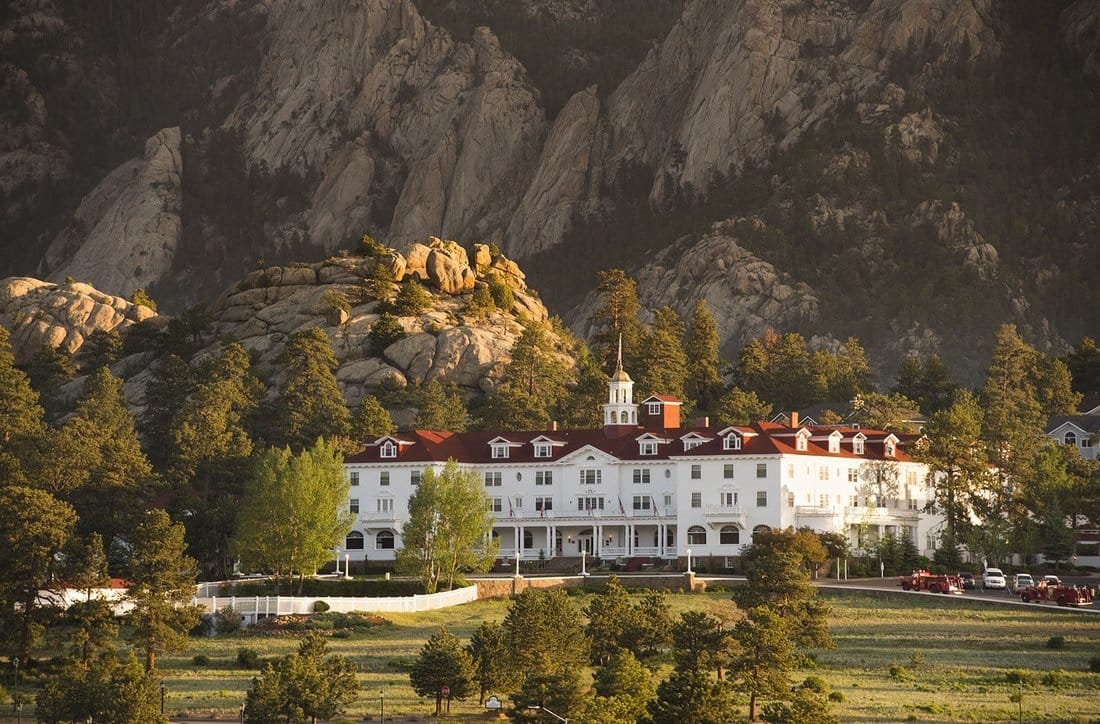
In the mid-1920s, the family converted the dental office into a cabin. Each summer, William's children took turns bringing their own kids up to the mountains, one set of parents supervising a rotating cast of cousins for a month at a time.
That's how Estes Park became a fixture of Ellen's summers, where she palled around with her siblings and cousins and explored the Rocky Mountain backcountry. At 13, she climbed Longs Peak — one of the fourteeners her grandfather had made a point of conquering decades earlier.
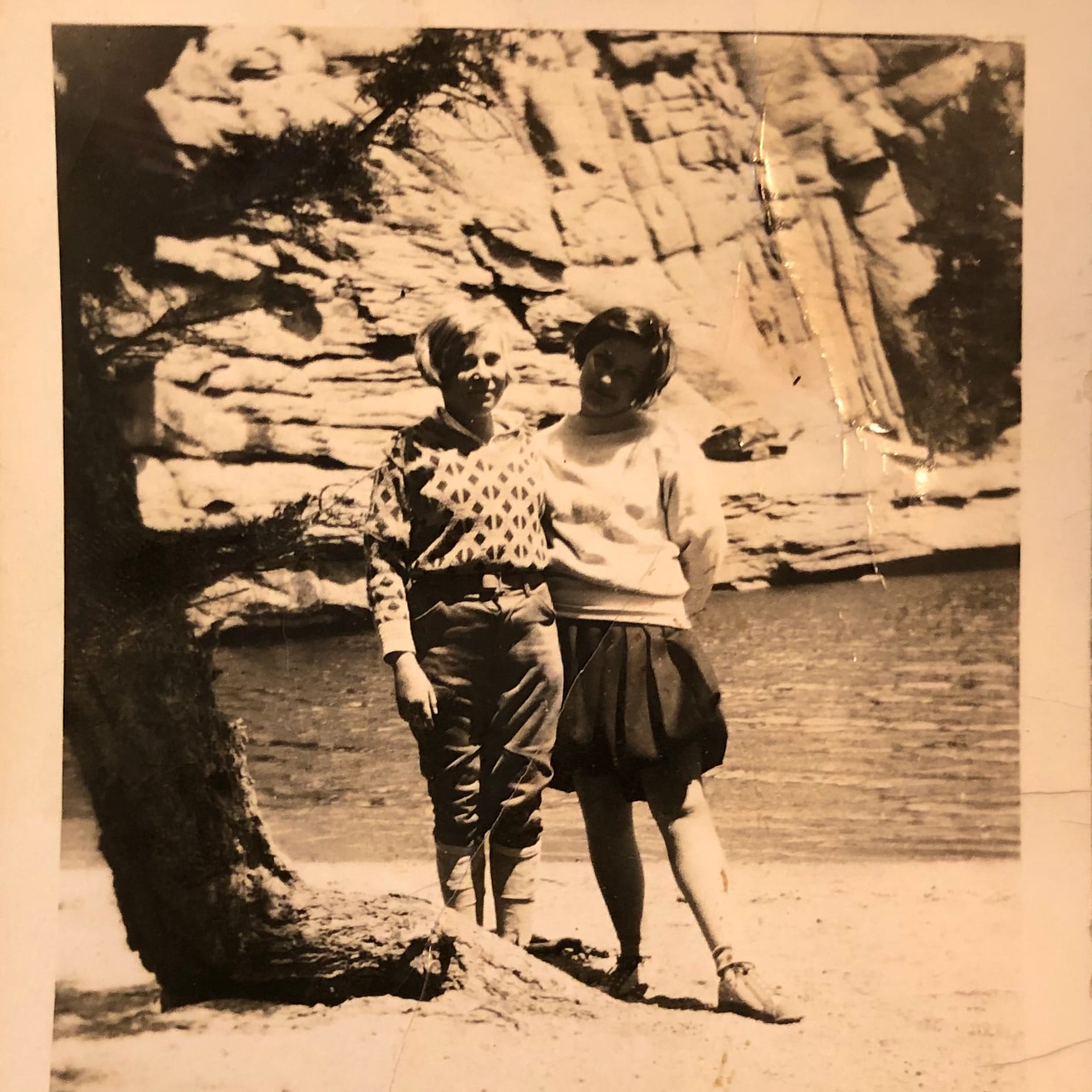
When she passed away at age 106, part of her ashes were scattered by the edge of Gem Lake, one of her most beloved spots on Lumpy Ridge.
The cabin is still in the family, and Ellen's children, grandchildren, great-grandchildren, and soon great-great-grandchildren return each summer, just as she always did.